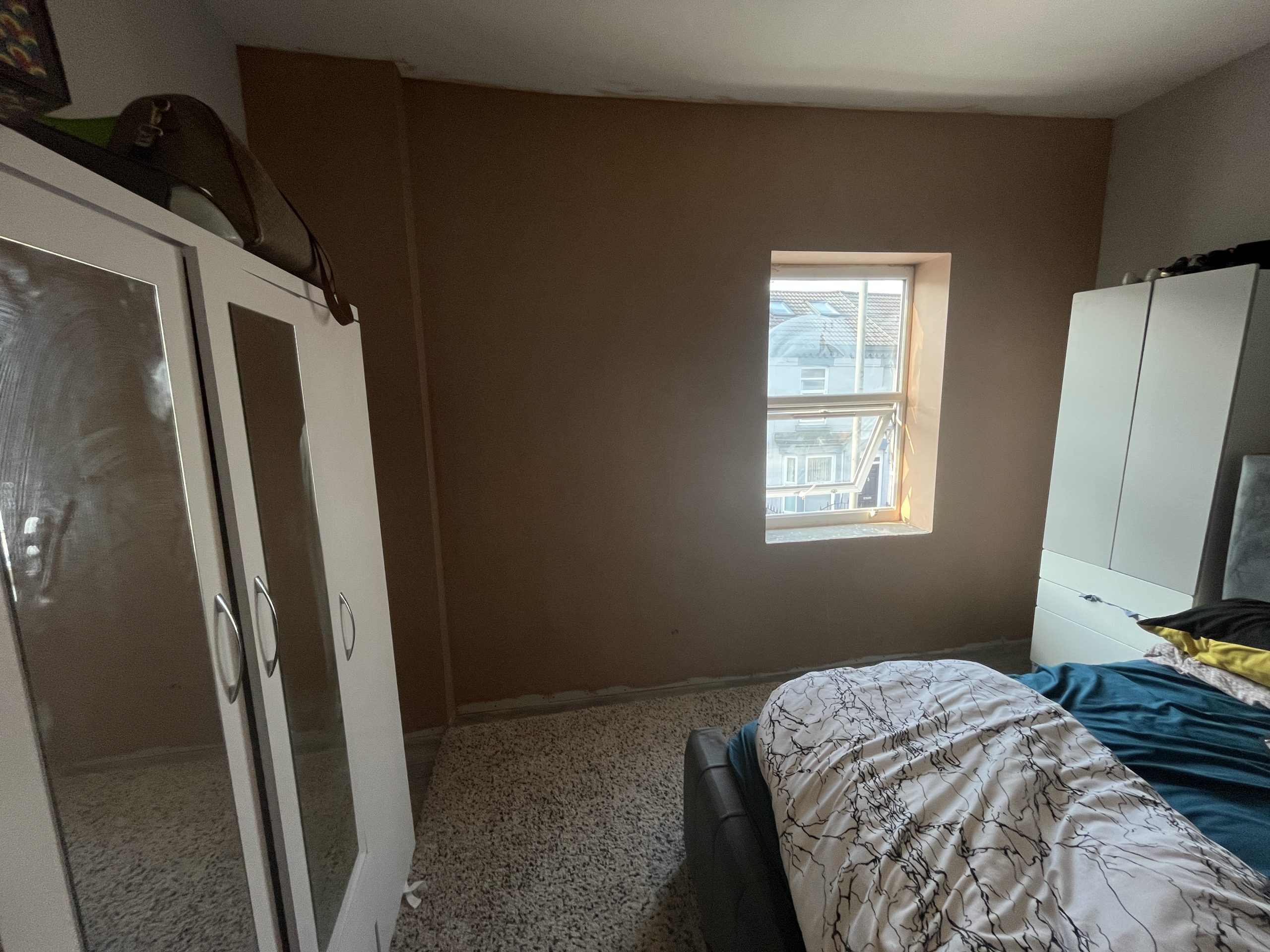
Internal wall insulation can improve the thermal performance of selected external walls by adding insulation to their internal surface. We assess the property first to determine where it may be suitable and whether the likely benefit justifies the work involved.
Is internal wall insulation right for the property?
Internal wall insulation is not suitable for every property or every room. Before recommending it, we consider how the property is constructed, the condition of the walls, where heat is likely to be escaping and the practical implications of carrying out the work.
Where the findings support it, we identify the external walls or rooms where insulation could make a worthwhile difference. We will not recommend work where the likely benefit does not justify the cost, disruption or technical risk.
PROPERTY ASSESSMENT
What we look at before recommending anything.
We consider the building, the likely benefit and the practical constraints before making a recommendation.
Wall construction
We identify how the external walls are constructed and whether they are suitable for internal wall insulation.
Condition and moisture
We look for damp, water ingress and defects that should be understood and addressed before insulation is installed.
Heat loss and likely benefit
We consider where heat is likely to be escaping and whether insulating particular walls or rooms could make a worthwhile difference.
Your priorities
We consider room layout, windows, junctions, radiators, electrical fittings, available space and the disruption involved.
WHAT THE WORK INVOLVES
From preparation to a finished wall.
Prepare
Protect the working area and remove or adapt agreed fittings and finishes where required.
Install
Fit the specified insulation system and carefully detail junctions, openings and services.
Finish
Board and plaster the insulated wall, then clear the working area on completion.
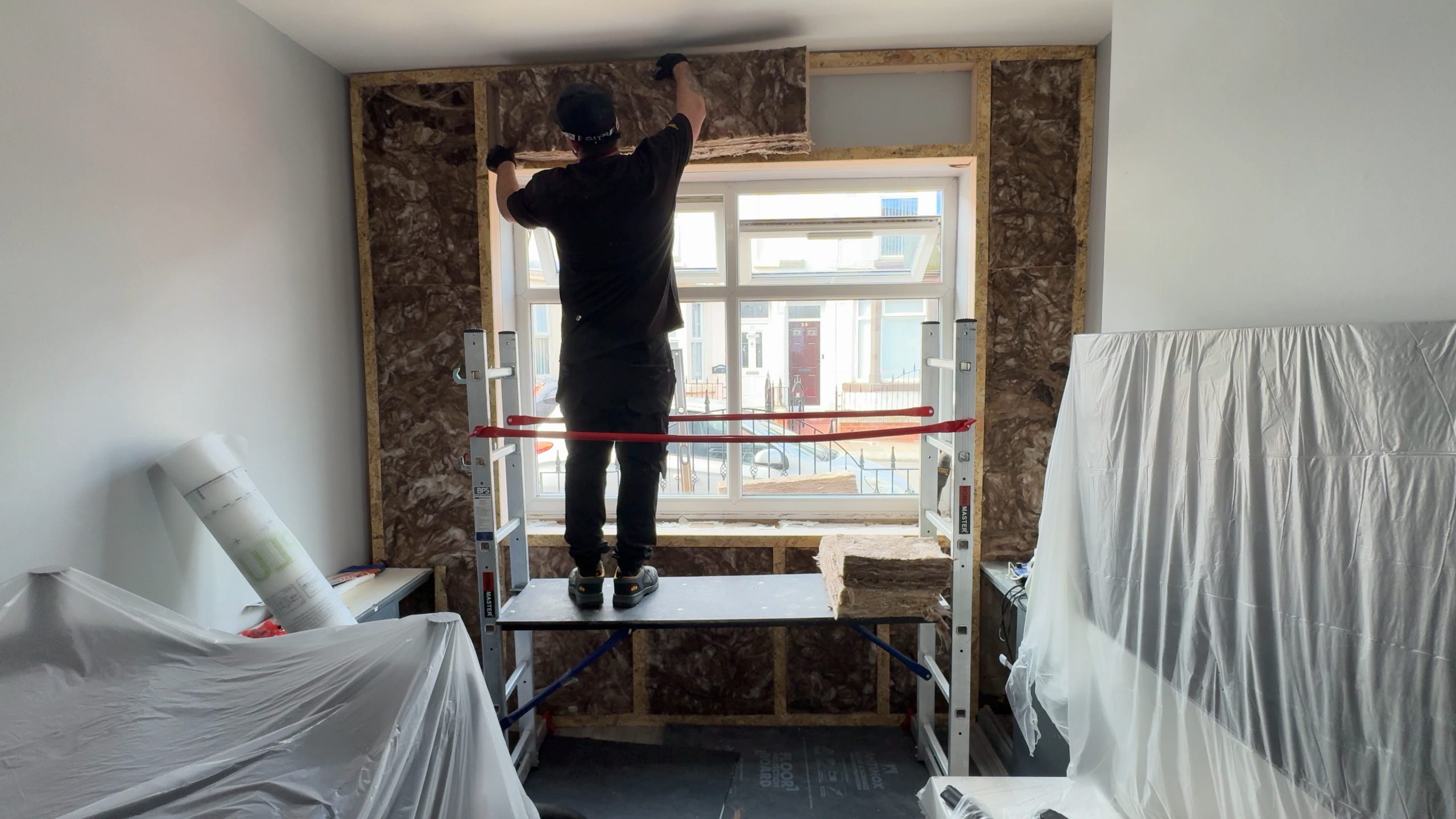
mineral wool insulation
REAL INSTALLATION
Internal wall insulation being fitted in a real property.
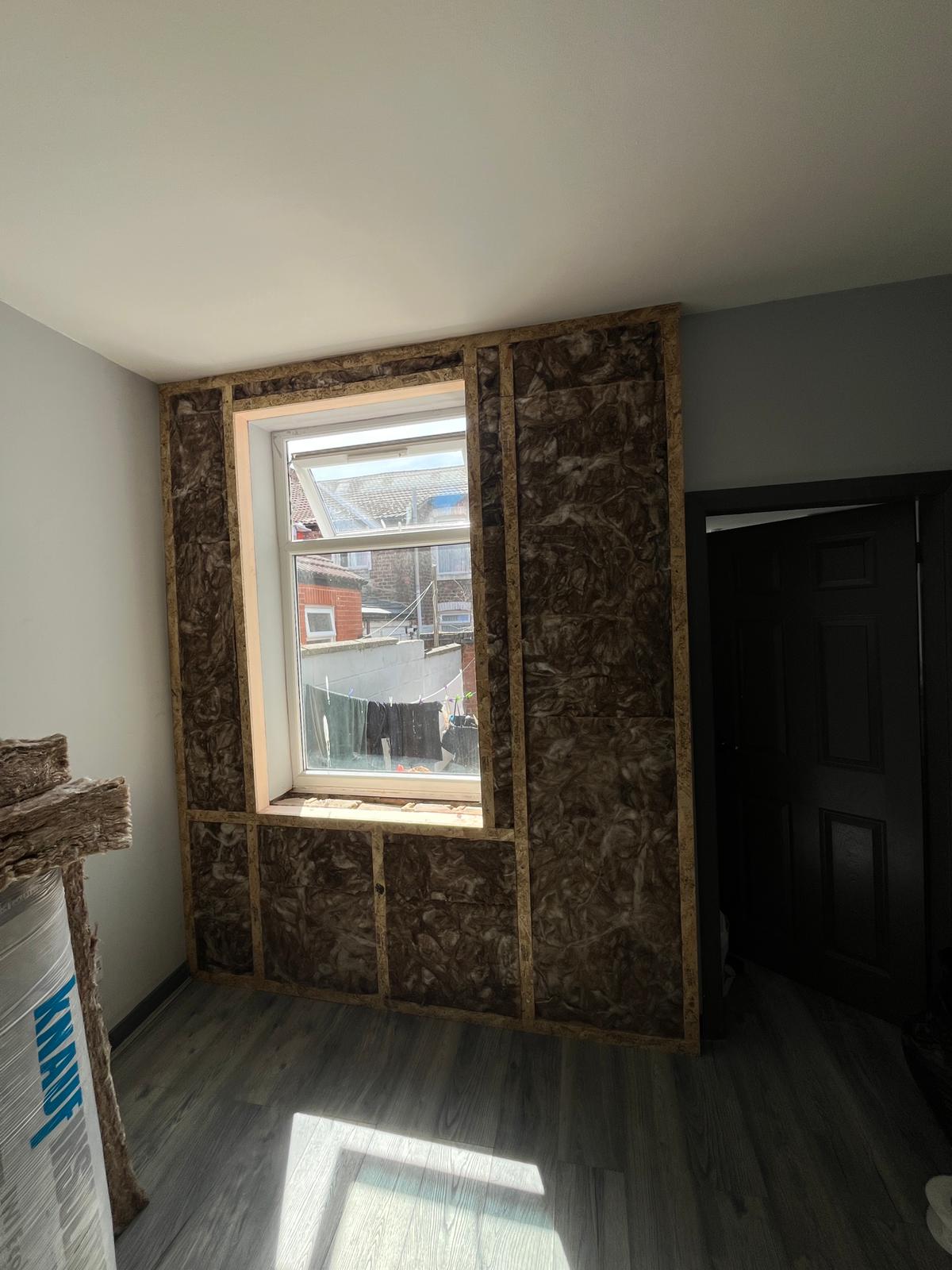
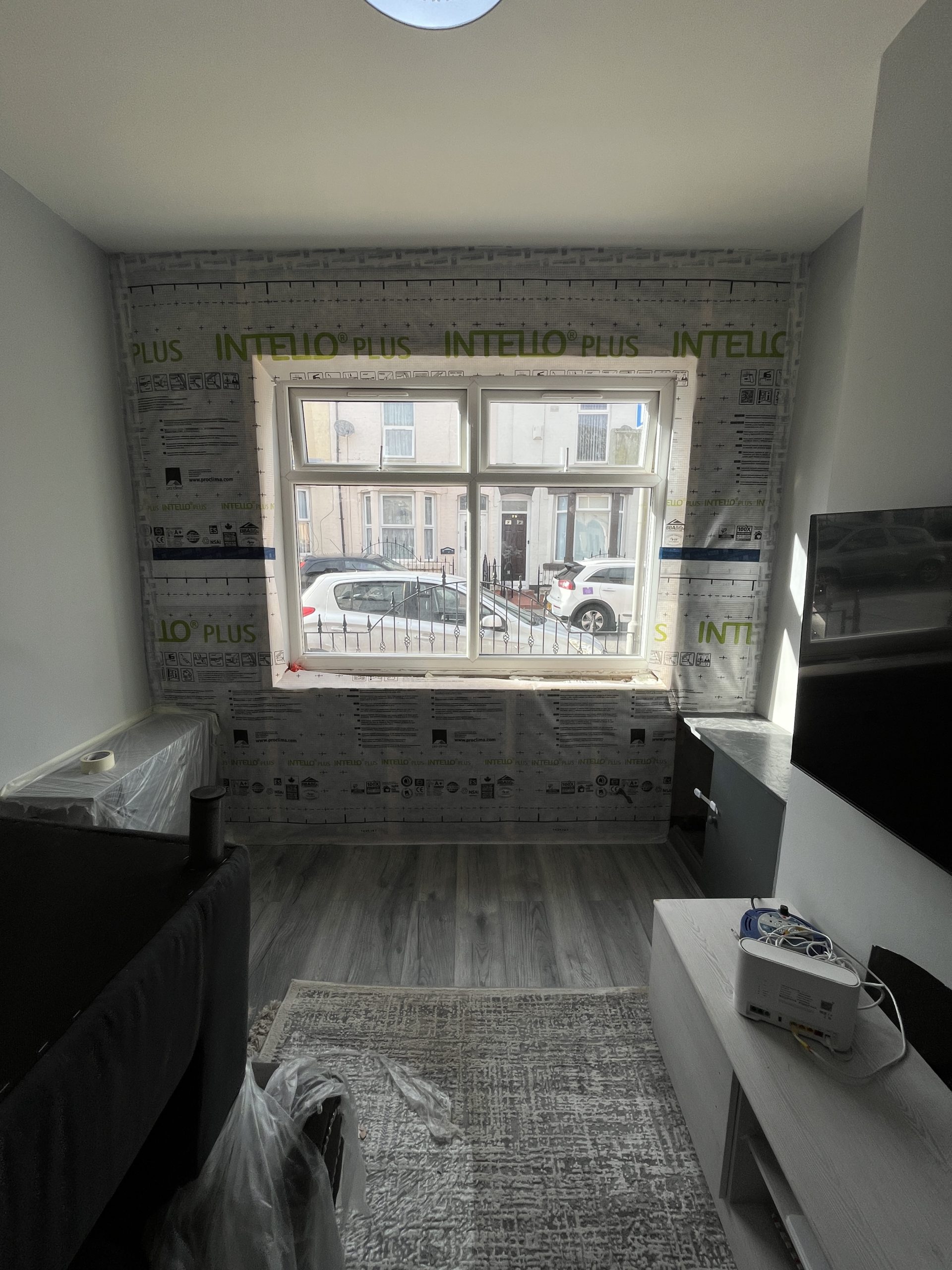
This image shows Thermvo fitting mineral wool insulation between the insulated framework at a Liverpool property. Furniture and the working area were protected while the installation was carried out. The airtight membrane, plasterboard and plaster finish are shown in the Work gallery below.
IMPORTANT CONSIDERATIONS
Good insulation starts with good assessment.
Internal wall insulation can provide a significant improvement, but it also requires careful assessment, detailing and installation.
01
Existing condition
Damp, water ingress or defects must not simply be covered by insulation. Their cause should be understood and addressed first.
02
Space and room fittings
The completed system reduces the internal dimensions of the room slightly. Skirting boards, radiators, sockets or other fittings may also need to be removed, repositioned or adapted.
03
Detailing
Windows, reveals, floors, ceilings and adjoining walls need careful detailing to limit gaps and thermal bridging.
WHERE IT MAY BE WORTHWHILE
A worthwhile improvement in the right property.
Where appropriate, internal wall insulation can reduce heat loss through selected external walls, make internal wall surfaces feel warmer and improve comfort. It may also contribute to an improved EPC rating.
The likely outcome depends on the property, the walls selected and the quality of the installation. That is why we survey first rather than assuming internal wall insulation is the right answer.
THE WORK
A real Thermvo installation
Installation stages from a real Thermvo internal wall insulation project in Liverpool. Photographs may show different rooms within the property.
Survey first
Not sure where insulation could make a worthwhile difference?
Start with a free property survey. We assess the building first, then explain what we found and what we recommend.